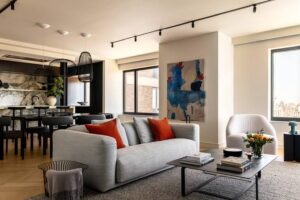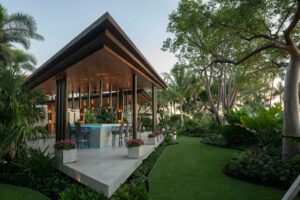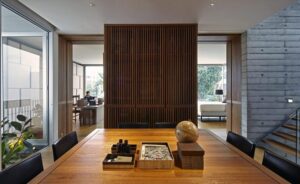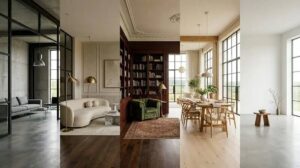

Creating a beautiful home is about more than choosing attractive furniture or following the latest decorating trends. A well-designed space should reflect your personality, support your daily routines, and provide a comfortable environment for relaxing and spending time with family.
KD Architects is a useful reference point for exploring ideas related to architecture, interior design, and thoughtful home improvement. Whether you are planning a complete renovation or simply refreshing one room, understanding the basics of home design can help you make better decisions.
From selecting the right colours to improving natural lighting, small design choices can have a noticeable effect on how your home looks and feels.
Understanding the Difference Between Architecture and Interior Design
Architecture and interior design are closely connected, but they serve different purposes.
Architecture focuses on the structure and overall planning of a building. It may include the layout, exterior appearance, structural elements, windows, doors, and relationship between indoor and outdoor spaces.
Interior design focuses on how the inside of a building looks, feels, and functions. It includes furniture arrangements, colour schemes, lighting, materials, storage, and decorative details.
For a successful home project, these two areas should work together. A beautiful interior may not be practical if the room layout is poorly planned, while a well-constructed home can feel incomplete without thoughtful interior choices.
1. Start With a Clear Home Design Plan
Before purchasing furniture or choosing paint colours, consider how you want your home to function.
Start by identifying the needs of the people who will use each room.
Ask yourself:
- How many people regularly use the space?
- What activities will take place in each room?
- Do you need additional storage?
- How much natural light does the room receive?
- Are there existing features you want to preserve?
- What is your available budget?
For example, a living room used for family gatherings may need comfortable seating and flexible furniture arrangements. A home office may require better lighting, a suitable desk, and reduced distractions.
Measure Your Space
Accurate measurements can prevent common decorating mistakes.
Before buying large furniture, record the dimensions of the room, including:
- Wall lengths
- Ceiling height
- Door and window positions
- Available floor space
- Existing fixtures
- Access points for moving furniture
A simple floor plan can help you determine whether your preferred furniture will fit comfortably.
Practical tip: Use masking tape on the floor to mark the approximate size of a sofa, dining table, or bed before making a purchase.
2. Choose a Consistent Interior Design Style
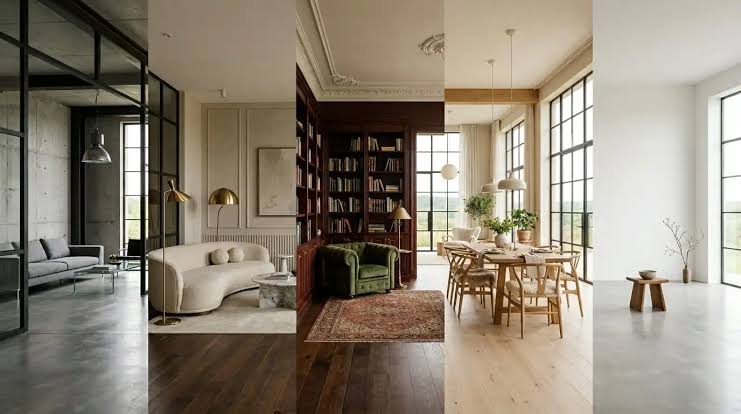
A consistent design style helps different rooms feel connected. You do not need to follow one decorating trend throughout your home, but combining too many unrelated styles can make a space feel disorganised.
Here are several popular approaches to consider.
Modern Interior Design
Modern interiors often feature:
- Clean lines
- Simple furniture shapes
- Functional layouts
- Limited decorative clutter
- A balanced colour palette
This approach can work well for people who prefer an uncluttered and practical environment.
Scandinavian-Inspired Design
Scandinavian-inspired interiors commonly emphasise comfort, simplicity, natural materials, and useful furniture.
Typical features include:
- Light-coloured walls
- Wooden surfaces
- Soft textiles
- Functional storage
- Comfortable seating
- Natural-looking finishes
This style can be particularly useful when you want a bright and welcoming atmosphere.
Traditional Home Decor
Traditional interiors may include classic furniture, decorative details, patterned fabrics, and carefully selected accessories.
You can create a traditional look without making the room feel outdated by combining classic pieces with modern lighting or practical storage.
Biophilic Interior Design
Biophilic design focuses on creating stronger visual and physical connections with nature.
Ideas include:
- Indoor plants
- Natural wood
- Stone finishes
- Views of gardens or outdoor areas
- Natural daylight
- Nature-inspired colours and textures
The goal is to make the environment feel more connected to the natural world.
3. Use Colour to Influence the Atmosphere
Colour is one of the easiest ways to change the appearance of a room.
The right colour scheme can make a space feel calm, energetic, spacious, or cosy. However, the result depends on factors such as lighting, room size, furniture, and personal preference.
How to Choose a Colour Palette
A simple approach is to select three types of colours:
| Colour role | Purpose |
|---|---|
| Main colour | Covers the largest surfaces, such as walls |
| Supporting colour | Adds variety through furniture or textiles |
| Accent colour | Creates visual interest through accessories or decorative details |
For example, a living room might combine warm white walls, natural wooden furniture, and muted green cushions.
Consider Natural Light
A colour can look different depending on the direction of the windows and the type of artificial lighting used in the room.
Before painting an entire wall, test a small area and observe it at different times of the day.
This simple step can help you avoid choosing a colour that looks different from what you expected.
4. Make Natural Light Part of Your Design
Natural light can improve the visual quality of a room and reduce the need for artificial lighting during the day.
When planning a space, consider how sunlight enters through windows and how furniture affects the flow of light.
Ways to Improve Daylight
- Keep windows free from unnecessary obstructions.
- Use curtains that allow you to control light levels.
- Choose lighter finishes when they suit your design.
- Position mirrors carefully to reflect available light.
- Avoid placing bulky furniture directly in front of windows.
- Use glass doors where appropriate for the building and climate.
Mirrors can help distribute light visually, but they do not create additional natural light. Their effectiveness depends on their placement and the amount of light available.
Layer Your Lighting
A well-lit room usually benefits from more than one light source.
Consider combining:
Ambient lighting: Provides general illumination throughout the room.
Task lighting: Helps with specific activities, such as reading, cooking, or working.
Accent lighting: Highlights artwork, architectural details, shelves, or decorative objects.
Using multiple lighting layers allows you to adjust the atmosphere according to the time of day and the activity taking place.
5. Select Furniture Based on Comfort and Proportion
Furniture should suit the size of the room and the way you intend to use it.
A large sofa may look attractive in a showroom but overwhelm a small living room. Similarly, a small dining table may not meet the needs of a large household.
Important Furniture Considerations
When choosing furniture, pay attention to:
- Dimensions
- Comfort
- Durability
- Material quality
- Maintenance requirements
- Available walking space
- Compatibility with existing furniture
Try to maintain clear routes between doors, windows, and frequently used areas.
You should also measure staircases, hallways, and doorways before ordering large furniture.
Design principle: A room does not need to be filled with furniture to feel complete. Leaving some open space can improve movement and create a more balanced appearance.
6. Improve Storage Without Sacrificing Style
Good storage helps keep a home organised and makes everyday activities easier.
Instead of relying entirely on large cabinets, consider combining visible and concealed storage.
Useful Storage Ideas
- Built-in shelving
- Storage benches
- Under-bed drawers
- Wall-mounted shelves
- Multi-purpose furniture
- Baskets for everyday items
- Custom cabinets for difficult corners
In smaller homes, vertical storage can make better use of available wall space.
However, storage solutions should remain accessible. A cabinet that looks attractive but is difficult to use may not be practical in the long term.
Make Storage Part of the Design
Choose storage materials and finishes that complement your interior.
For example, wooden shelves may work well in a warm, natural interior, while simple built-in cabinets may suit a contemporary space.
The objective is to combine organisation with visual balance.
7. Bring Nature Into Your Living Space
Natural elements can add warmth and character to a home.
You do not need a large garden or an expensive renovation to introduce nature-inspired features.
Simple Nature-Inspired Decorating Ideas
- Add indoor plants suitable for your lighting conditions.
- Use wooden accessories or furniture.
- Introduce natural fabrics such as cotton or linen.
- Choose earthy colours.
- Display flowers or seasonal branches.
- Use stone, clay, or other natural-looking decorative materials.
When selecting plants, consider maintenance needs, available sunlight, and whether they are safe for children and pets in your household.
A few carefully selected natural elements can create visual interest without overcrowding the room.
8. Consider Sustainable Home Design Choices
Sustainable home design involves making decisions that consider resource use, durability, maintenance, and long-term performance.
You do not need to replace everything in your home to make more thoughtful choices.
Practical Ways to Make Your Home More Sustainable
Choose durable materials: Furniture and finishes that last longer may reduce the need for frequent replacements.
Repair before replacing: Fixing usable furniture can be more resource-efficient than buying new items.
Reuse existing pieces: A table, cabinet, or chair may gain a new look through refinishing or reupholstery.
Improve energy efficiency: Energy-efficient lighting and appropriate insulation can help reduce energy consumption.
Consider local materials: Depending on availability, locally sourced materials may reduce transportation-related impacts.
Avoid unnecessary purchases: Buying fewer, more useful items can reduce waste and keep your home less cluttered.
Sustainability also depends on factors such as material production, transportation, product lifespan, and disposal. A product described as eco-friendly is not automatically the most sustainable option in every situation.
9. Design Each Room Around Its Purpose
Every room has different requirements. A decorating approach that works in a bedroom may not be suitable for a kitchen or home office.
Living Room
Focus on:
- Comfortable seating
- Practical furniture placement
- Flexible lighting
- Suitable storage
- A balanced arrangement of decorative items
The living room should support the activities that matter most to your household.
Bedroom
A bedroom should encourage comfort and relaxation.
Consider:
- A suitable mattress and bed frame
- Soft, comfortable bedding
- Adjustable lighting
- Practical bedside storage
- Colours that suit your preferences
- Window coverings that help manage light
Keep unnecessary clutter away from areas used for rest.
Kitchen
A functional kitchen depends on efficient organisation.
Think about:
- Worktop space
- Storage capacity
- Lighting over preparation areas
- Easy-to-clean surfaces
- Appliance placement
- Safe movement around cooking areas
If you are planning structural changes, consult an appropriately qualified professional where necessary.
Home Office
A productive home office starts with a practical workstation.
Important considerations include:
- A desk that fits the available space
- A comfortable chair
- Adequate lighting
- Cable management
- Storage for work materials
- Reduced visual distractions
If you work at a desk for long periods, choose furniture that supports a comfortable working posture.
10. Avoid Common Home Decorating Mistakes
Even carefully planned interiors can become difficult to use when practical considerations are overlooked.
Here are some common mistakes to avoid.
Buying Furniture Before Measuring
Large furniture can restrict movement or block access to windows and doors.
Better approach: Measure the room and check the furniture dimensions before purchasing.
Following Trends Too Closely
A trend may look appealing online but may not suit your lifestyle or existing home.
Better approach: Use trends selectively and prioritise designs that you will enjoy over time.
Choosing Appearance Over Function
A beautiful piece of furniture may not be comfortable, durable, or easy to maintain.
Better approach: Consider how the item will be used every day.
Using Too Many Decorative Items
Excessive accessories can make a room feel crowded.
Better approach: Choose a few meaningful pieces and leave some surfaces uncluttered.
Ignoring Lighting
A carefully decorated room may still feel uncomfortable if it has insufficient or poorly positioned lighting.
Better approach: Plan general, task, and accent lighting according to the room’s purpose.
Forgetting Maintenance
Some materials require more cleaning and care than others.
Better approach: Select finishes and fabrics that suit your household’s cleaning routines and lifestyle.
How to Plan a Home Decorating Project
If you are updating your home, a simple process can help you stay organised.
Step 1: Identify Your Goals
Decide what you want to improve. You may need better storage, improved lighting, a more comfortable living room, or a complete redesign.
Step 2: Set a Budget
List the expected costs of furniture, materials, labour, lighting, and other essentials.
Keep some flexibility for unexpected expenses, particularly during renovation projects.
Step 3: Measure the Space
Record the room dimensions and identify any structural limitations.
Step 4: Choose a Design Direction
Collect examples of interiors you like and look for common features in their colours, materials, and layouts.
Step 5: Prioritise Essential Changes
Address practical problems before spending money on decorative details.
For example, improving storage may be more useful than purchasing additional accessories.
Step 6: Review the Plan
Check whether your choices work together and whether the proposed design suits your daily routine.
Step 7: Make Changes Gradually
If your budget is limited, complete the most important improvements first. You can add decorative elements over time.
Frequently Asked Questions
What is the role of architecture in home design?
Architecture determines many of the structural and spatial features of a home, including its layout, form, and relationship with the surrounding environment. Interior design builds on that foundation by improving the functionality and appearance of indoor spaces.
How can I make my home look more stylish without spending a lot?
Start with affordable improvements such as rearranging furniture, improving lighting, decluttering, adding textiles, and introducing a coordinated colour palette. Reusing existing furniture can also create a noticeable change without requiring a major investment.
What is the most important factor in interior design?
Functionality is a useful starting point. A well-designed room should meet the needs of the people using it while also offering visual comfort and a cohesive appearance.
How can I make a small room feel more spacious?
Use appropriately sized furniture, maintain clear walkways, improve lighting, and avoid unnecessary clutter. Mirrors and lighter finishes may also help create a more open visual impression.
Should I hire a professional for a home renovation?
Professional assistance may be valuable when a project involves structural changes, complex layouts, electrical work, plumbing, or building regulations. For smaller decorative projects, homeowners may be able to manage many tasks themselves.
Conclusion
A successful home design combines beauty, comfort, and practicality. From choosing suitable colours and furniture to improving lighting and storage, every decision should support the way you use your home.
Whether you are exploring ideas through KD Architects or developing your own decorating plan, start with a clear understanding of your needs and available space. Thoughtful choices, careful planning, and gradual improvements can help you create an interior that feels welcoming and works well for everyday life.