
Creating a beautiful home involves more than choosing attractive furniture or painting the walls. It requires thoughtful planning, a balanced colour scheme, functional layouts, and design choices that reflect your lifestyle.
KDA Architects focuses on ideas related to architecture, interior design, and home décor, helping homeowners explore ways to make their living spaces more comfortable, practical, and visually appealing.
Whether you are refreshing a single room or planning a complete home makeover, understanding the fundamentals of interior design can help you make more informed decisions.
How to Create a Stylish and Functional Home
A well-designed home combines appearance with everyday practicality. Before purchasing furniture or selecting decorative accessories, consider how each room will be used.
Here are some important elements to consider when planning your home décor.
1. Choose a Cohesive Colour Scheme
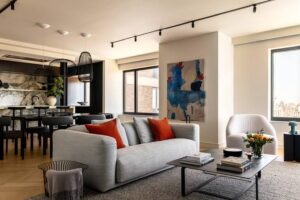
Colour plays an important role in shaping the atmosphere of a room. Soft neutral shades can create a calm and versatile backdrop, while carefully selected accent colours can add character and visual interest.
When choosing colours, consider:
- The amount of natural light in the room.
- The size and layout of the space.
- Existing furniture and flooring.
- The atmosphere you want to create.
- How colours work together throughout your home.
For a consistent appearance, select a primary colour and complement it with one or two additional shades.
2. Make the Most of Natural Light
Natural light can make rooms feel more open and welcoming. It can also influence how wall colours, furniture, and decorative materials appear throughout the day.
You can improve the use of natural light by:
- Keeping windows clear of unnecessary obstructions.
- Using lightweight curtains where appropriate.
- Positioning mirrors to reflect available light.
- Choosing furniture that does not overcrowd windows.
- Using suitable artificial lighting for darker areas.
A combination of ceiling lights, task lighting, and accent lighting can make a room more practical after sunset.
3. Select Furniture Based on Your Space
Furniture should suit both the size of your room and your daily needs. Oversized pieces can make smaller spaces feel crowded, while furniture that is too small may leave larger rooms looking unfinished.
Before buying furniture, measure:
- The room dimensions.
- Doorways and staircases.
- Available floor space.
- The distance between major furniture pieces.
- Walking paths and access points.
A simple floor plan can help you test different layouts before making a purchase.
4. Add Texture and Personality
A room can feel flat when every surface has the same finish. Introducing different textures adds depth and makes the space more inviting.
Consider combining:
- Wooden furniture.
- Soft rugs.
- Cotton or linen fabrics.
- Decorative cushions.
- Ceramic accessories.
- Natural materials.
- Wall art and handmade decorations.
The goal is to create a balanced environment rather than filling every available surface with accessories.
Home Décor Trends Worth Exploring
Interior design preferences vary from person to person, but several approaches can help homeowners create timeless and adaptable spaces.
Nature-Inspired Interiors
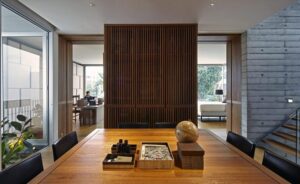
Natural materials, indoor plants, earthy colours, and wooden finishes can help create a relaxed atmosphere. These elements are suitable for a variety of interior styles, from contemporary homes to traditional properties.
When adding plants, consider the available light, room temperature, and maintenance requirements.
Minimalist Home Design
Minimalism focuses on simplicity, functionality, and reducing unnecessary clutter. A minimalist interior does not have to feel empty. Carefully selected furniture, thoughtful storage, and a consistent colour palette can create a comfortable environment.
Start by removing items you no longer use and organising the belongings you want to keep.
Sustainable Décor Choices
Sustainable home design involves considering the environmental impact of materials, products, and renovation decisions.
Practical options include:
- Repairing furniture instead of replacing it.
- Choosing durable materials.
- Reusing existing decorative items.
- Purchasing second-hand furniture.
- Selecting energy-efficient lighting.
- Avoiding unnecessary renovations.
The most suitable choices depend on your budget, property, and long-term plans.
How to Plan a Home Renovation
A successful home renovation begins with a clear understanding of your needs and available resources.
Step 1: Identify Your Priorities
Decide which areas of your home require attention. You may want to improve storage, update outdated finishes, enhance lighting, or change the layout of a room.
Prioritising your needs helps prevent unnecessary spending.
Step 2: Establish a Realistic Budget
Create a budget that accounts for materials, labour, delivery costs, and potential unexpected expenses.
For larger projects, consider setting aside additional funds for unforeseen issues that may arise during renovation.
Step 3: Plan the Layout
Think about how people move through each room. Furniture placement, storage, and access to doors and windows can significantly affect everyday comfort.
For structural changes, consult an appropriately qualified professional.
Step 4: Select Materials and Finishes
Choose materials based on their appearance, durability, maintenance requirements, and suitability for the room.
For example, kitchen and bathroom materials may need to withstand moisture and frequent cleaning.
Step 5: Review the Final Design
Before beginning work, review your plans, colour choices, furniture measurements, and lighting arrangements.
A clear plan can reduce design mistakes and help the project progress more smoothly.
Common Home Décor Mistakes to Avoid
Even attractive design ideas can create problems when they are not adapted to the space.
Ignoring Room Measurements
Furniture and decorative items should be selected according to the available space. Always measure before making major purchases.
Using Too Many Design Styles
Combining several styles without a clear connection can make a room feel disorganised. Choose a primary design direction and introduce complementary elements.
Overlooking Storage
Insufficient storage can lead to clutter. Consider built-in shelving, multifunctional furniture, baskets, and other practical storage solutions.
Choosing Appearance Over Function
A beautiful piece of furniture may not be suitable if it is uncomfortable, difficult to maintain, or impractical for everyday use.
Following Trends Without Considering Longevity
Design trends can provide inspiration, but your home should ultimately reflect your personal preferences and practical needs.
How KDA Architects Can Inspire Your Design Journey
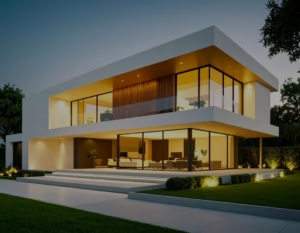
Architecture and interior design work together to shape the way a home looks, feels, and functions. Exploring design concepts can help homeowners understand the relationship between space planning, materials, lighting, and decoration.
KDA Architects can serve as a useful point of reference for readers interested in home décor inspiration, architectural concepts, and ideas for improving residential spaces.
When exploring design resources, focus on practical ideas that suit your property’s characteristics, your budget, and your lifestyle.
Frequently Asked Questions
What is the difference between architecture and interior design?
Architecture focuses on the planning and construction of buildings, including structural elements and overall form. Interior design focuses on the arrangement, appearance, and functionality of indoor spaces.
How can I improve my home décor on a limited budget?
Start with affordable changes such as rearranging furniture, decluttering, updating soft furnishings, improving lighting, and adding carefully selected decorative accessories.
What colours work well in modern interiors?
Neutral shades such as white, beige, grey, and earthy tones can create a versatile foundation. Accent colours can then be introduced through furniture, artwork, textiles, or accessories.
How can I make a small room look more spacious?
Use suitable furniture sizes, maintain clear walking areas, reduce clutter, and make effective use of natural and artificial lighting. Mirrors may also help create a greater sense of openness.
Should I consult a professional for a home renovation?
For projects involving structural changes, electrical work, plumbing, or building regulations, it is advisable to consult appropriately qualified professionals.
Conclusion
Designing a comfortable and attractive home requires a balance of creativity, planning, and practicality. From selecting the right colour palette to improving storage and choosing durable materials, small decisions can have a meaningful impact on your living environment.
Through home décor inspiration and architectural design ideas, KDA Architects can help readers explore different approaches to creating spaces that reflect their needs and personal style.
Start with one area of your home, establish clear priorities, and choose improvements that offer lasting value.